



YouTube: From a 19-Second Zoo Clip to a Multi-Billion-Dollar Global Media Empire
In February 2005, three former PayPal employees — Jawed Karim, Steve Chen, and Chad Hurley — launched a simple website that allowed users to upload and share videos with ease. That website, YouTube, would go on to redefine entertainment, communication, and digital business worldwide.
The platform’s first-ever video, “Me at the zoo,” uploaded by Jawed Karim in April 2005, was just 18 seconds long. At the time, no one imagined it would mark the beginning of one of the most influential media platforms in history.
Rapid Rise and Google’s Historic Bet
By 2006, YouTube’s growth was explosive. The platform was already serving tens of millions of video views per day, rapidly approaching 100 million daily views. Recognizing its massive potential, Google announced the acquisition of YouTube in October 2006 for $1.65 billion in stock, completing the deal a month later.
What was once seen as a risky purchase is now widely regarded as one of the smartest acquisitions in technology history.
In 2015, Google restructured its operations under Alphabet Inc., making YouTube a wholly owned subsidiary of Alphabet — a position it still holds today.
📊 Infographic 1: YouTube Estimated Yearly Revenue Growth (2010–2025)
(Line graph showing steady growth from under $1 billion to over $35 billion in annual revenue)
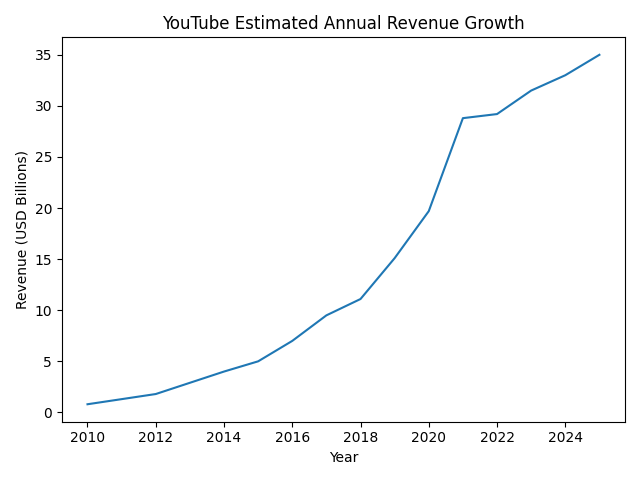
Over the past decade and a half, YouTube’s financial performance has surged dramatically. Advertising remains the platform’s largest revenue driver, supplemented by YouTube Premium subscriptions, channel memberships, and Super Chat monetization.
The Creator Economy Is Born
Following Google’s acquisition, YouTube introduced monetization tools that changed the internet forever. The YouTube Partner Program allowed creators to earn money directly from their content, turning hobbyists into professionals and giving rise to the global creator economy.
Today, YouTube supports millions of creators worldwide, many of whom generate incomes comparable to traditional media companies.
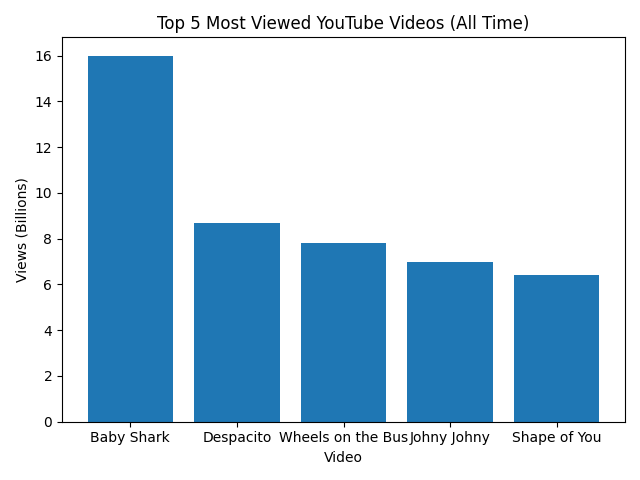
🎥 Top 5 Most Viewed YouTube Videos of All Time
(Bar chart comparing total views in billions)
-
Baby Shark Dance — 16+ billion views
-
Despacito — 8.7+ billion views
-
Wheels on the Bus — 7.8+ billion views
-
Johny Johny Yes Papa — 7+ billion views
-
Shape of You — 6.4+ billion views
Music and children’s content continue to dominate global viewing patterns.
Subscribers, Power Channels, and Digital Giants
As YouTube matured, channels began to rival television networks in scale and influence.
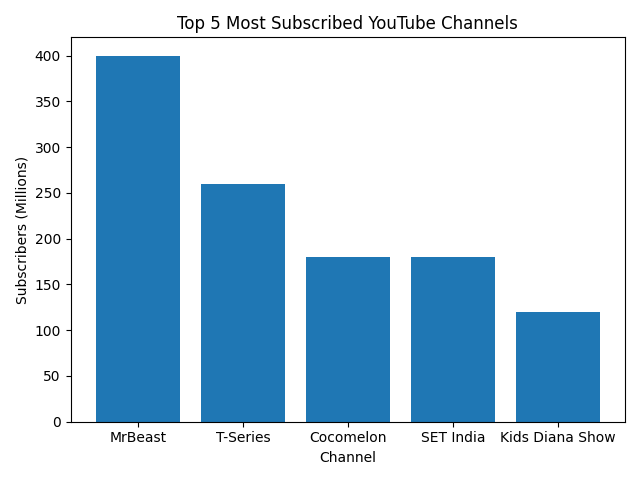
👥 Top 5 Most Subscribed YouTube Channels
(Bar chart comparing subscriber counts)
-
MrBeast (USA) — 400+ million subscribers
-
T-Series (India)
-
Cocomelon – Nursery Rhymes (USA)
-
SET India (India)
-
Kids Diana Show (Ukraine/USA)
While media companies dominate total views, individual creators now lead subscriber growth, with MrBeast setting unprecedented records.
💰 The Business of Virality
YouTube is not just an entertainment platform — it is a massive business engine.
Top Revenue-Generating Channels
-
MrBeast — Ads, sponsorships, merchandise, brand ventures
-
T-Series — Music licensing and advertising
-
Cocomelon — Children’s content licensing
-
Like Nastya
-
Vlad and Niki
Top creators now earn hundreds of millions of dollars annually, combining ad revenue with brand partnerships and product lines.
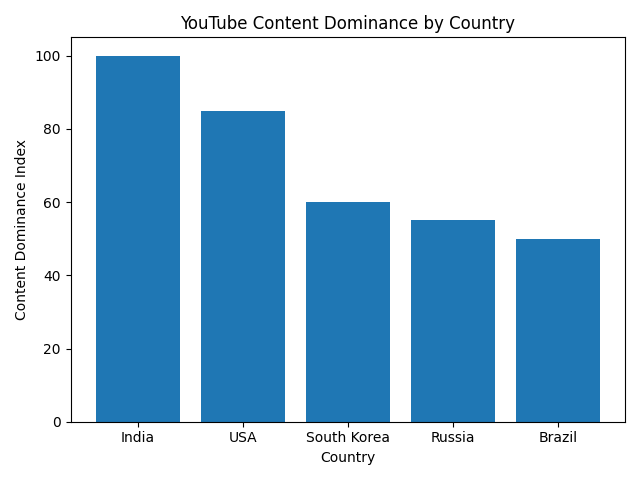
🌍 YouTube by Country: Who Leads the World
(Country dominance comparison chart)
-
🇮🇳 India leads globally in total views and large media networks
-
🇺🇸 United States dominates individual creators and revenue potential
-
🇰🇷 South Korea excels in music and entertainment content
-
🇷🇺 Russia & Eastern Europe lead in kids and family programming
-
🇧🇷 Brazil remains one of the fastest-growing creator markets
YouTube has become a truly global platform, with regional content achieving worldwide reach.
Likes, Dislikes, and Internet Culture
Engagement has shaped YouTube’s identity.
-
Most liked videos historically include Despacito, See You Again, and Shape of You.
-
Most disliked video ever: YouTube Rewind 2018, which crossed 20 million dislikes, symbolizing a rare moment of collective audience backlash.
Conclusion: A Platform That Changed the World
From a casual zoo video to a multi-billion-dollar media ecosystem, YouTube has transformed how the world watches, learns, and earns. Today, hundreds of hours of video are uploaded every minute, spanning education, news, music, live events, and entertainment.
More than just a website, YouTube is now a global stage, a career launcher, and a cultural archive of the digital age. Two decades after its founding, its influence continues to expand — and its story is still being written.