


“Doomsday Plane” Flights Spark Concern as Nuclear War Fears Rise
Recent flight-tracking data has drawn attention to several missions by the U.S. Navy’s strategic airborne command aircraft, often referred to as “Doomsday planes,” as tensions linked to the conflict involving Iran continue to raise concerns about a wider war.
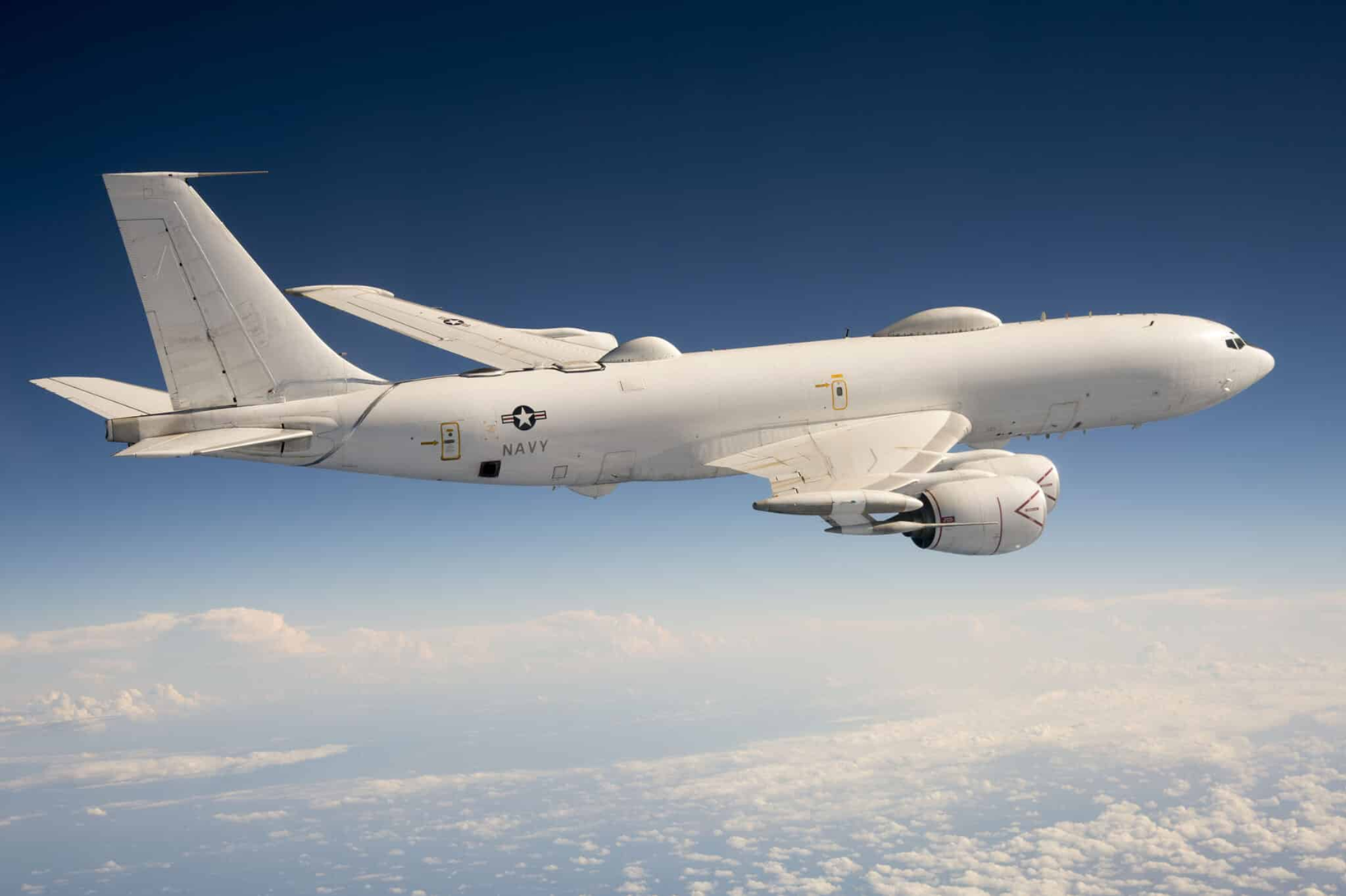
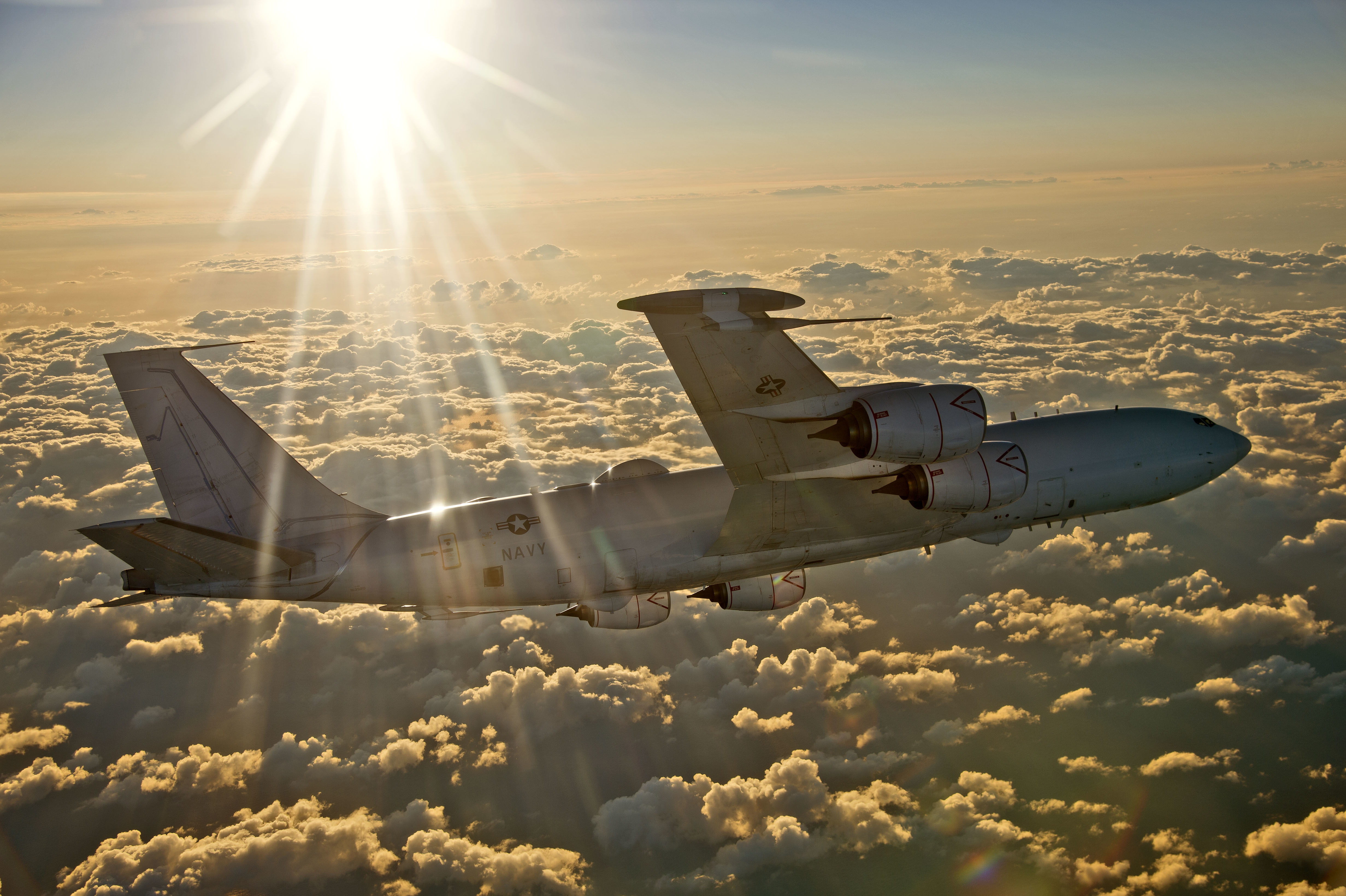
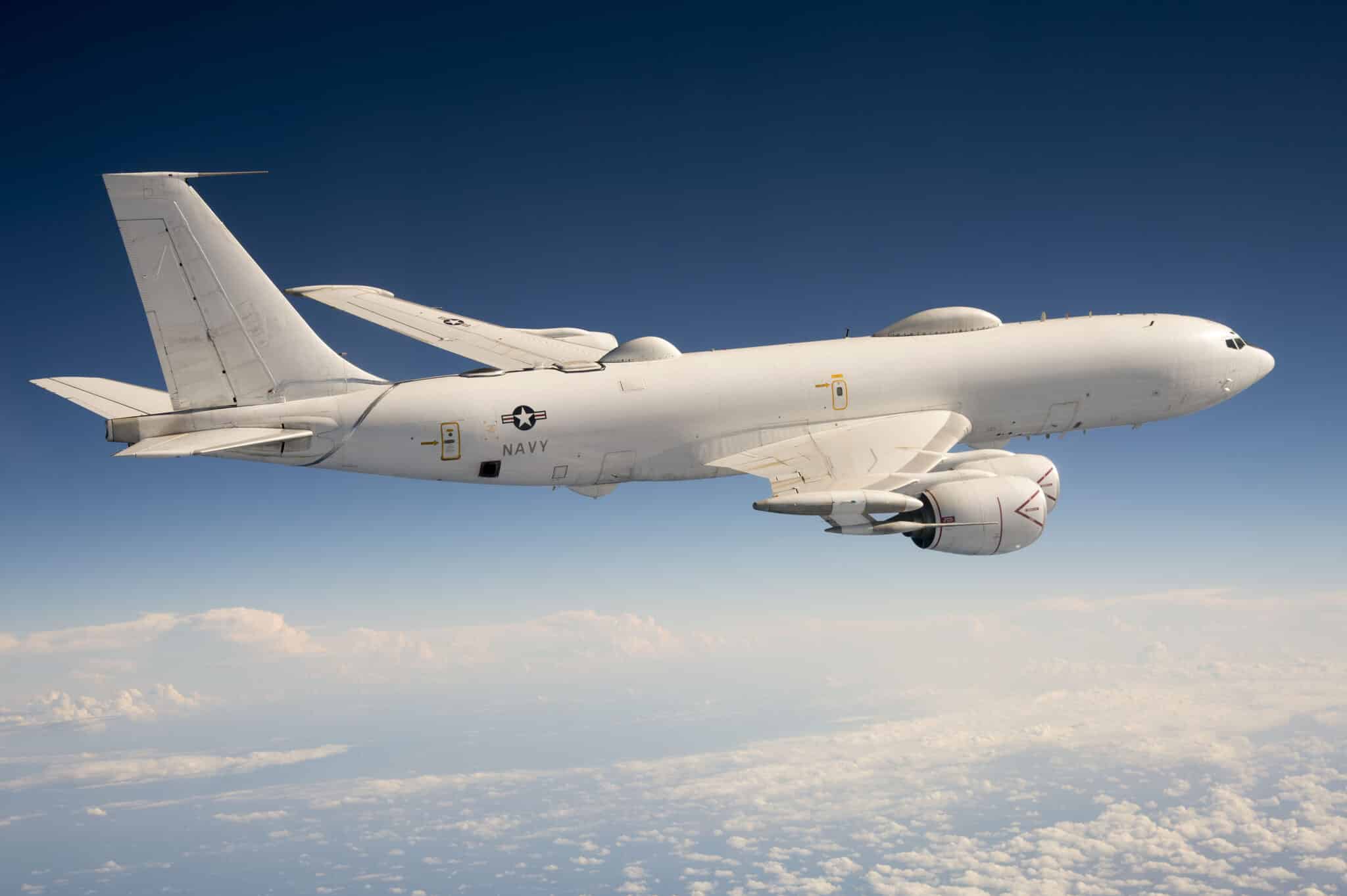
The aircraft involved is the E-6B Mercury, a highly specialized military platform designed to maintain communication with America’s nuclear forces during extreme scenarios, including a nuclear conflict.
Flights Detected Across the United States
Flight-tracking data reportedly captured multiple launches of the E-6B Mercury since the war in Iran began on February 28. Two flights were spotted over the United States on March 2. One aircraft traveled from the Gulf Coast before landing at Naval Air Station Patuxent River, while another departed from and later returned to Offutt Air Force Base.

Further reports from military-focused outlets suggest additional flights may have headed across the Atlantic toward the Persian Gulf region. The U.S. Department of Defense declined to comment on the reported movements, citing operational security.
The Role of the “Doomsday Plane”
The E-6B Mercury is built using the frame of the classic Boeing 707 and serves as a flying communications hub during major military crises.
The aircraft’s main mission is known as Take Charge and Move Out (TACAMO), a system designed to ensure that U.S. leadership can communicate with nuclear forces even if ground infrastructure has been destroyed.

Through specialized antennas and powerful communication equipment, the aircraft can transmit orders from leaders such as U.S. President Donald Trump to nuclear-armed submarines deep underwater, as well as to missile silos, military command centers, and satellites.
Built for Worst-Case Scenarios
Often referred to as “Doomsday planes,” the E-6B fleet is designed to remain operational during catastrophic events, including nuclear war. The aircraft effectively functions as a flying command center, capable of coordinating America’s strategic response if traditional command systems were disabled.
Military analysts note that flights by these aircraft are not uncommon during periods of heightened tension, as they are part of the United States’ nuclear command-and-control readiness system.
However, the recent cluster of missions has attracted attention online as global security concerns grow and speculation about a possible wider conflict continues to circulate.
While officials have not confirmed the purpose of the recent flights, the presence of these aircraft in the air highlights the critical systems designed to maintain communication and control over nuclear forces during the most extreme scenarios imaginable.